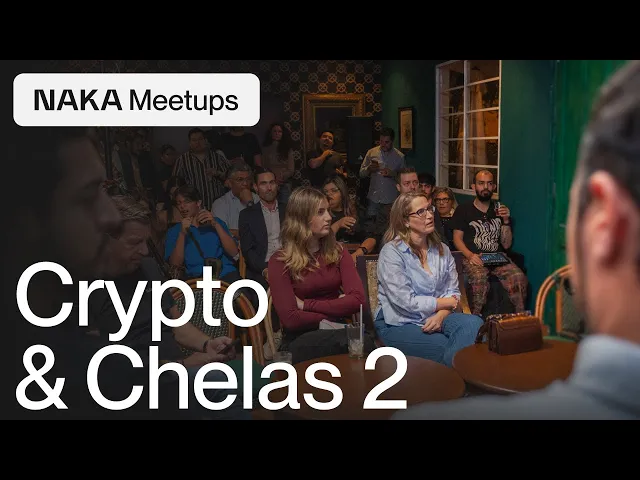
December 19, 2025
Crypto & Chelas: An Evening of Real Conversations in San Salvador
Discover how Crypto & Chelas brought founders, merchants, and builders together to talk about where self-custodial payments go next
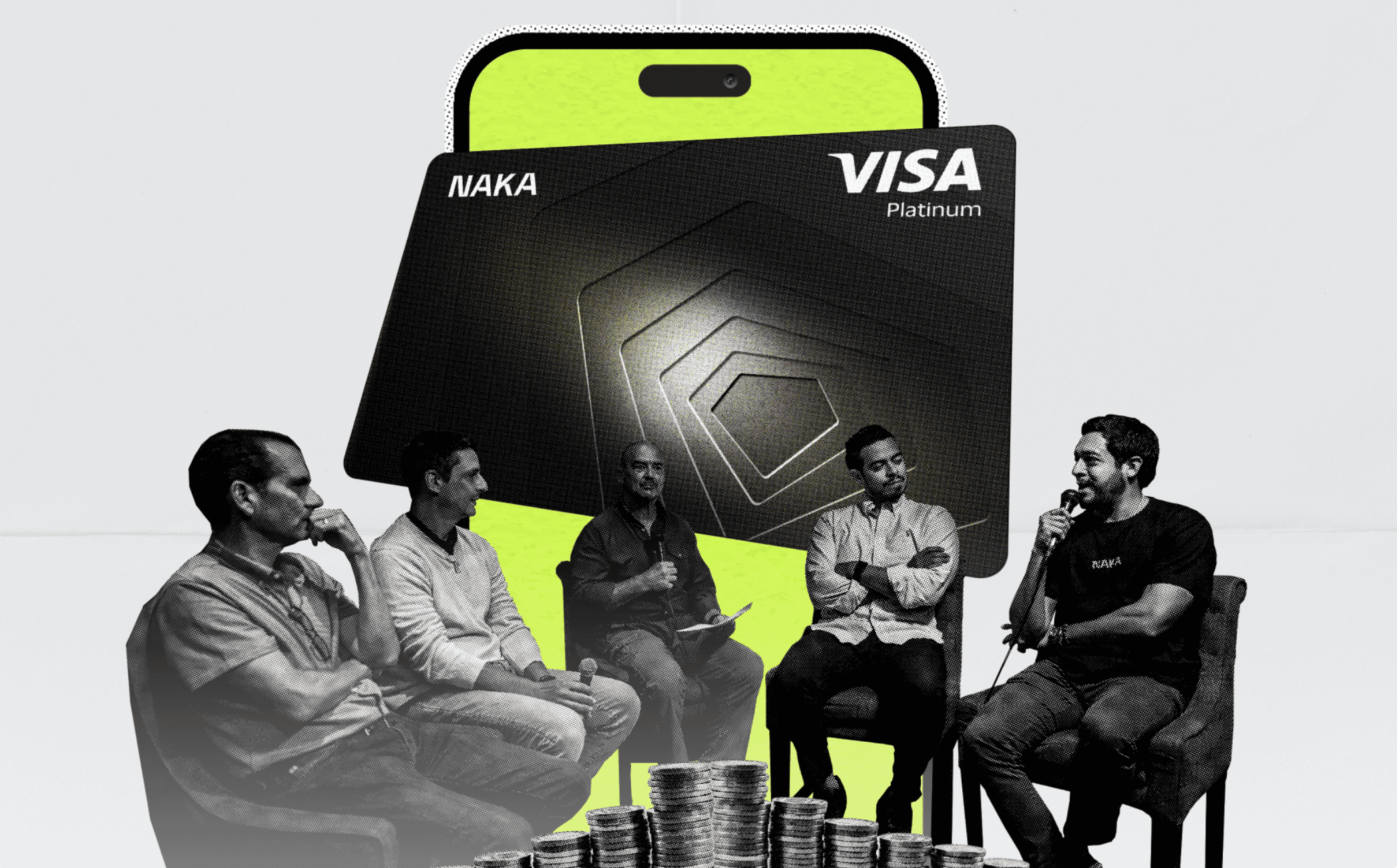
On a December evening in San Salvador, we turned a well-known local bar into a mix of clinking glasses, open minds, and payment talks that felt very grounded in day-to-day business. The second edition of Crypto & Chelas brought together regional business owners to talk about a simple, practical question: what does self-custody actually mean in everyday payments?
The meetup was invite-only, by design. It kept the room small, focused, and rooted in experience. Some participants already knew each other from the local ecosystem; others met for the first time. What mattered was the shared reality: everyone in the room was already touching payment tools in their work, comparing notes on what’s working, what isn’t, and where the gap between theory and operations still exists.
Miha Culiberg, Head of LATAM region at NAKA, opened the night by explaining what this series is meant to become. In his words, the goal is to build “a community that talks about blockchain, that talks about crypto. So crypto will not be the word we fear, but the word we know can help.”
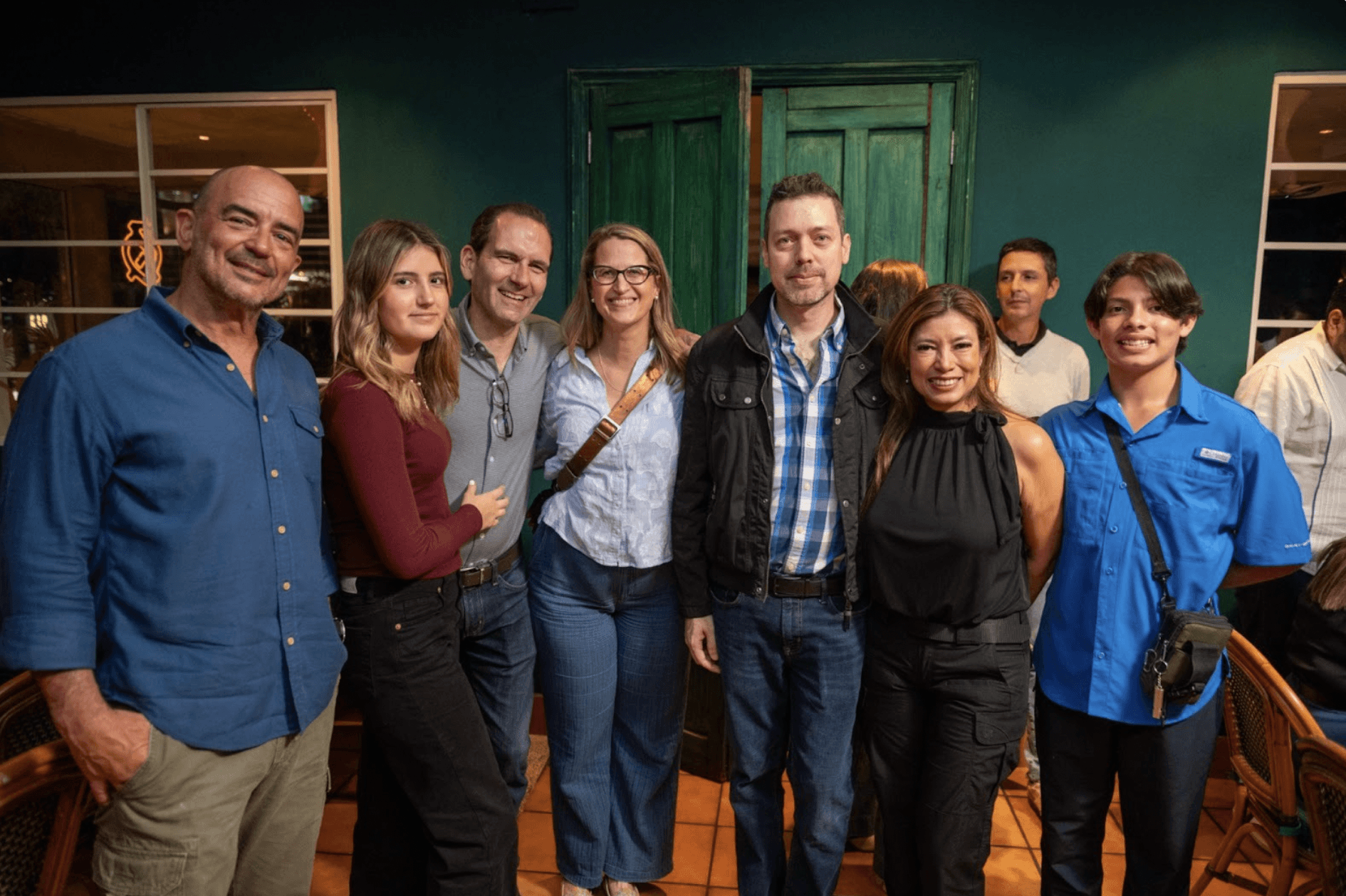
Dive into the second Crypto & Chelas night with us.
Inside the conversation
The panel gathered Alejandro Quintanilla from NAKA, Juan Diego Dardano from Teip, Juan David Hernández from DiiMO, David Falkenstein from Cadejo Brewing, and Gabriel Gutiérrez from Cubo, with Marco Guirola from Pagadito moderating. The format stayed open, with everyone in the room invited into the dialogue, turning it into a conversation between builders
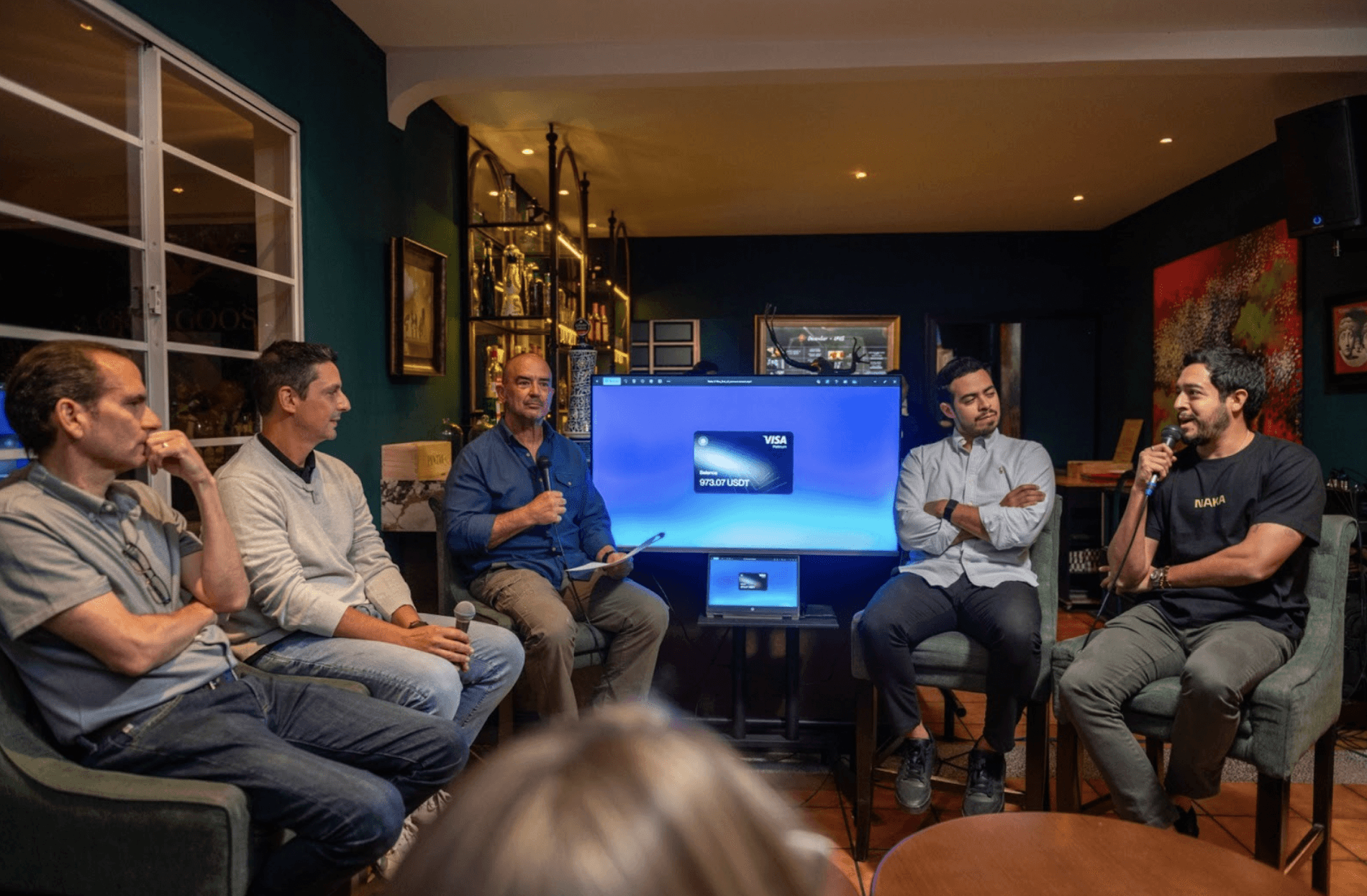
The conversation opened with something every business in the room understood, the cost of moving money across borders. David Falkenstein explained: "When we buy in Europe or China, you have to send a new provider a wire transfer. If you're lucky, it takes two or three days. If you make a mistake with the bank details, the merchant rejects it and you're delayed. You want to send it today so they ship the product tomorrow, it's another barrier."
That friction doesn't stop at international borders. Even inside El Salvador, moving money through traditional interbank systems creates constant problems, explained Juan David, further elaborating that there are ‘’many restrictions, many fees, restrictions on time, restrictions on amounts, etc. These payment models via crypto reduce that friction, making it easier to use your own money at your own disposal. That's why crypto payments exist."
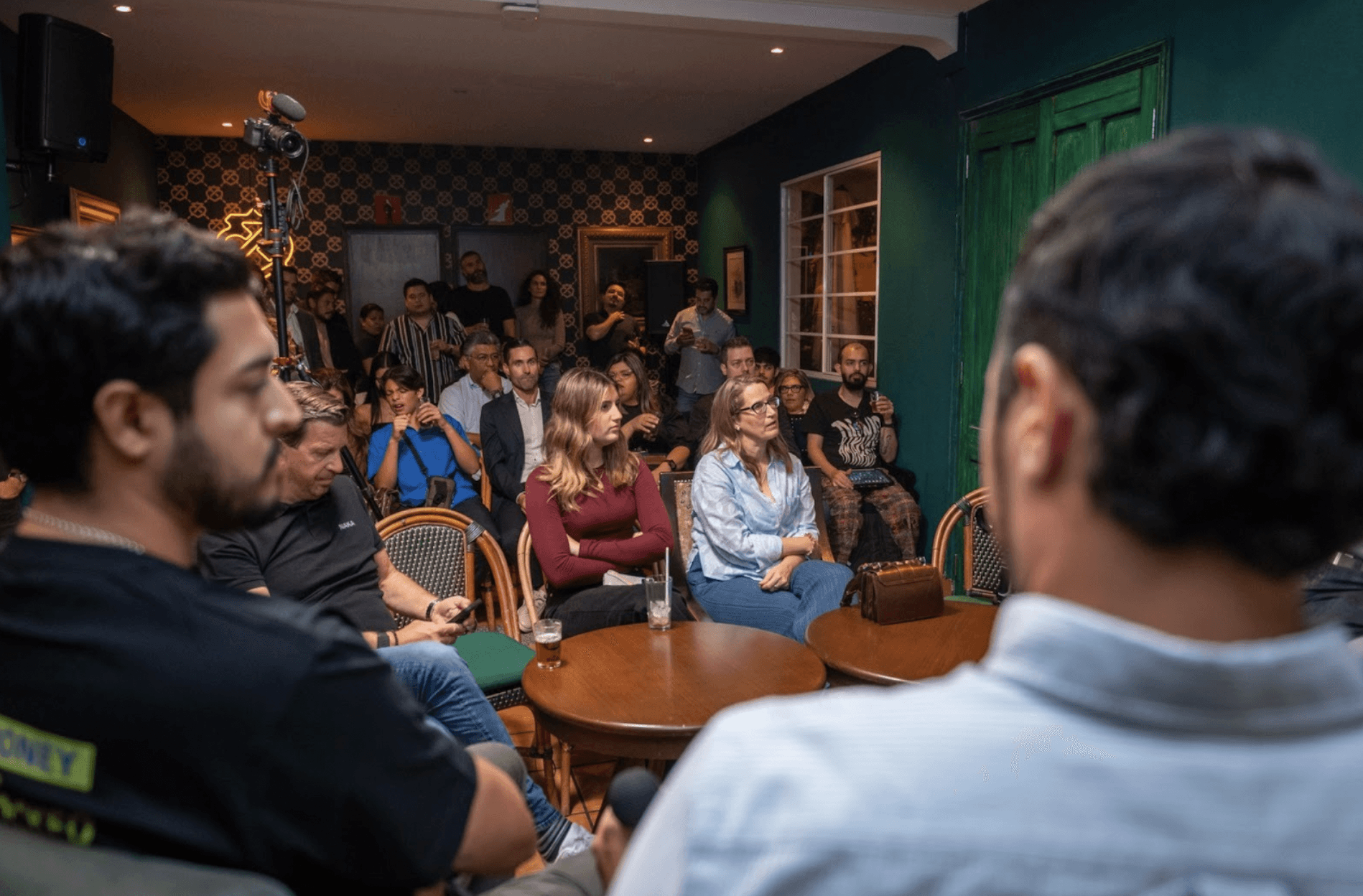
The conversation naturally moved to why more businesses haven't launched their own payment solutions. Alejandro’s answer came back to cost and structure. "To issue a traditional payment method you need a big sponsor, usually a bank with a license with Visa/Mastercard. Getting that sponsor is expensive. If you just want to issue a payment method but don't have a banking business model (earning interest), it's very difficult. Under the traditional model, if you're not a bank, and you're not making money, then the payment method is a cost. That's where new solutions and issuance models come from. But the classic licensing path is too expensive for a startup or a company not earning interest."
These operational challenges sit on top of a bigger structural issue in El Salvador. Only about 35% of commerce accepts digital payments, and roughly 45% of people don't have an account where they can store value. The panelists saw this as an opportunity. When tools solve real problems, people adopt them. That adoption creates momentum that becomes very difficult to stop once it starts moving.
But there's a barrier slowing that momentum down. Education. Getting people to understand how the ecosystem works, how credit functions, what wallets do, and why these services matter takes time. Without that foundation, adoption stays slow even when the infrastructure exists and works well. The panelists agreed that financial inclusion requires both better tools and better understanding of those tools.
‘’What I hope for in five years is that regulation moves at the speed we need, while private technology development continues, so we all reach the goal without someone being left behind.” - Juan David Hernandez, DiiMO Technologies
Panelists raised a topic of insufficiency of existing systems, how somewhere, right now, millions of people are waiting on systems that were never designed for today. Waiting to be approved. Waiting to be processed. Waiting to move value.
How many millions of human-hours are we spending because of an inefficient system?
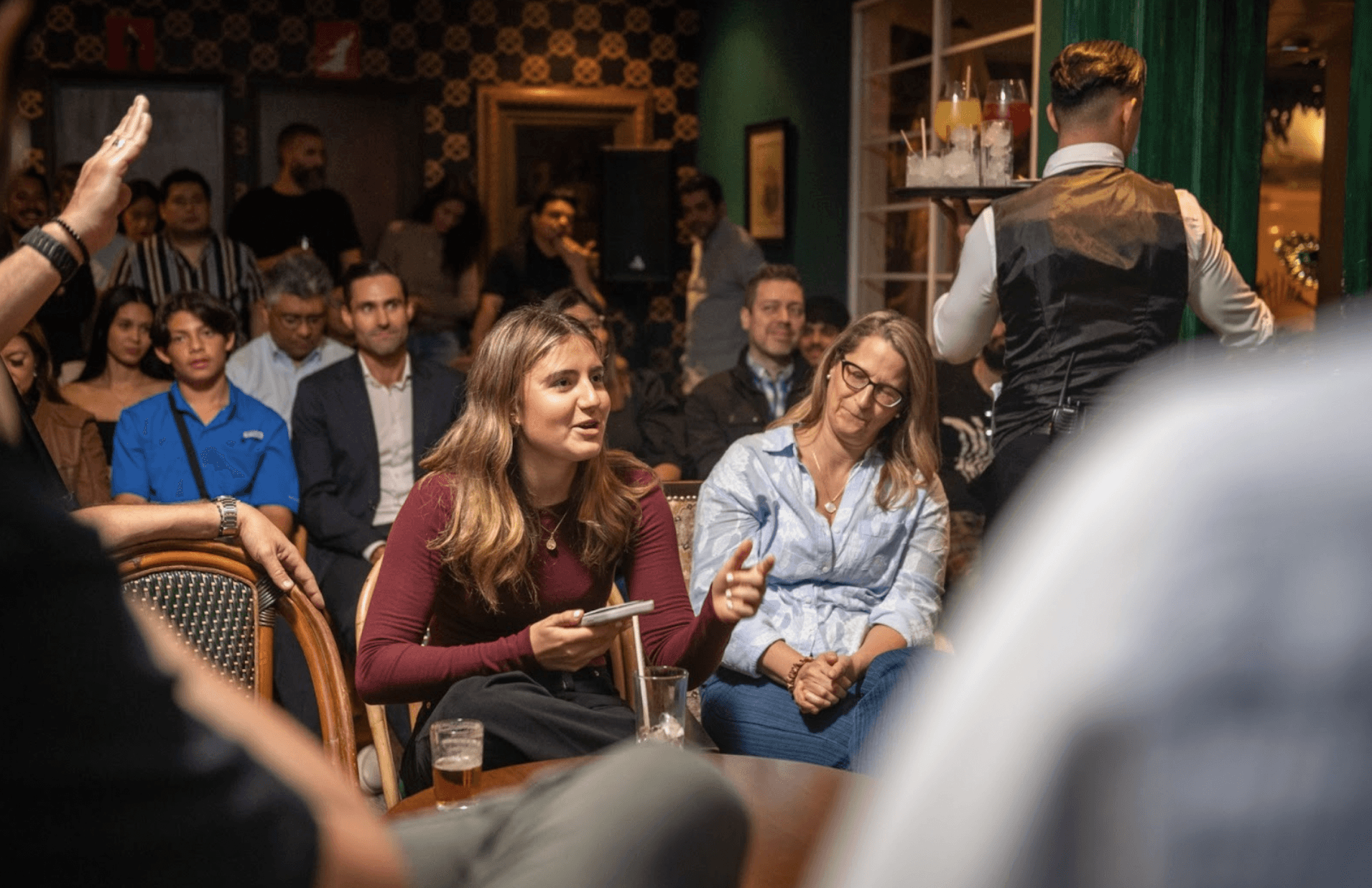
The discussion also touched on why traditional card processors haven't solved these problems. High fees, dependency on banks, geographic restrictions… The system works well for large institutions but leaves significant gaps for businesses operating in emerging markets or serving populations that traditional banking ignores or underserves.
The evening closed on a broader view. Miha summed up our long-term vision this way: "We are trying to combine two worlds into one, and we see self-custody as one of the future trends." The evolution from models where banks hold user funds to users controlling their own assets represents a clear step forward, especially in regions where trust in traditional institutions remains low and access to those institutions remains limited.
Trying NAKA+ Visa Platinum in the room
During the event, guests had the chance to get early access to the NAKA+ Visa Platinum Card. Anyone who downloaded the NAKA Pay+ application received a complimentary load as both a thank you for joining the discussions and an early New Year gift
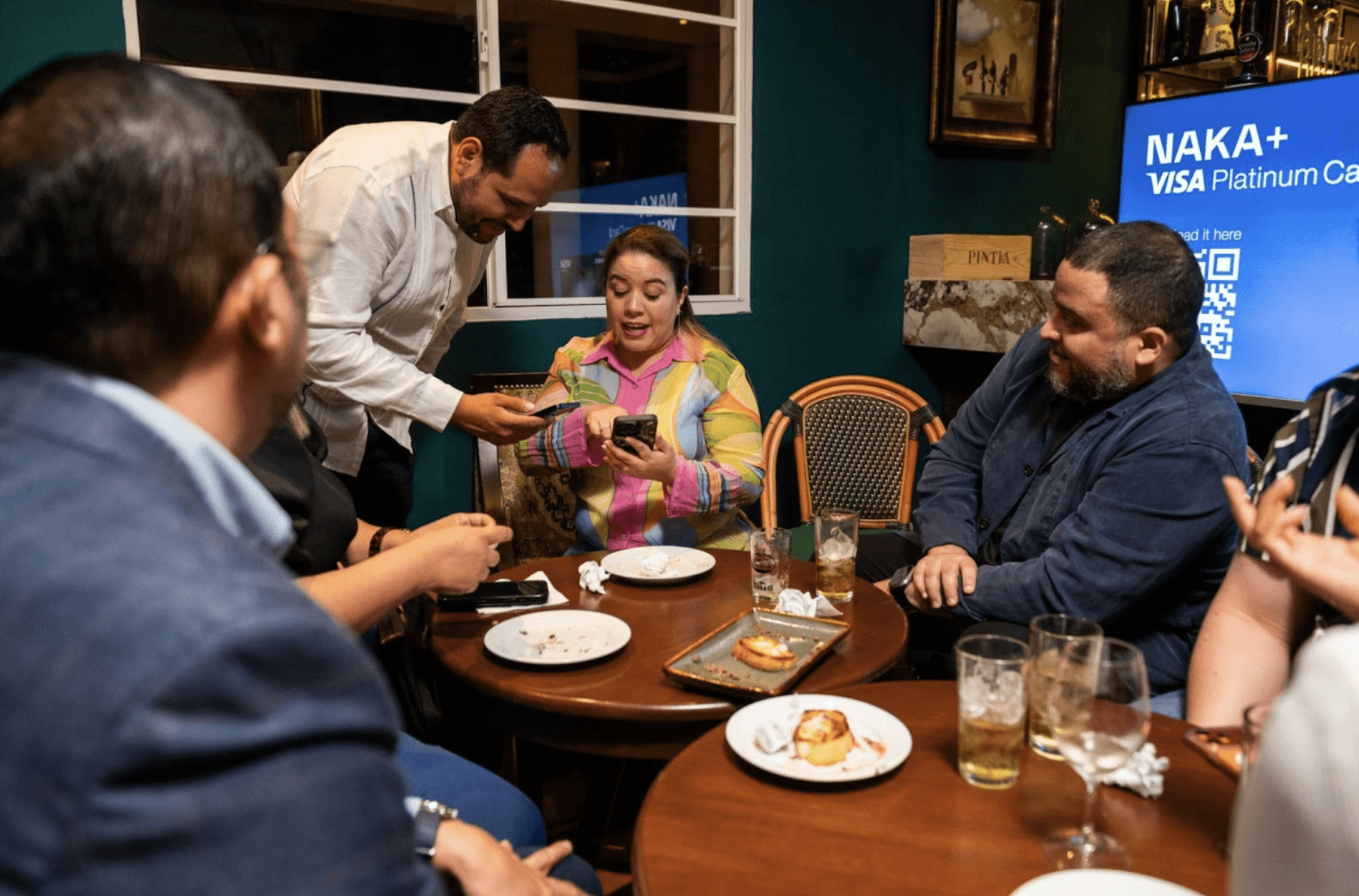
Some people tried their card at the bar that night, others preferred to keep it for later, but the idea was the same for everyone.By using a self-custodial card anywhere Visa is accepted, they experience the same payment infrastructure we provide to Latin America-based businesses - real-world usability, direct wallet control, and no reliance on traditional banking rails.
Crypto & Chelas Moves into 2026
The discussion didn’t end with the panel. It evolved into practical exchanges around compliance, merchant economics, and the narrow, but powerful, places where self-custodial payments make sense today.
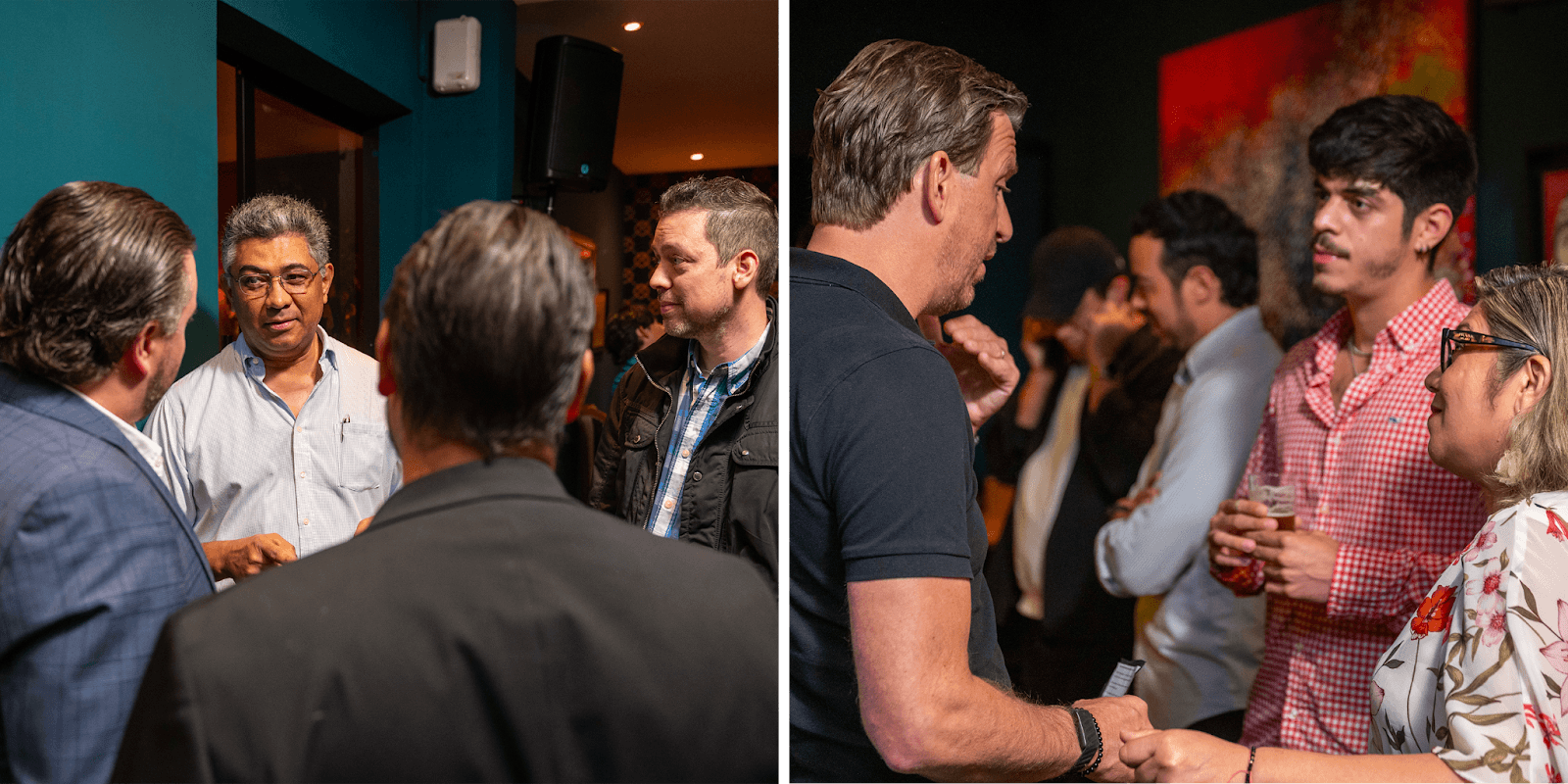
“Crypto and Chelas” DeFi Meetups will continue through 2026 with more sessions in San Salvador and beyond, keeping the format simple, mixing honest discussion, working products, and a shared table. For NAKA, these evenings are a commitment to open dialogue - listening first, sharing experiences, and grounding conversations in the realities local businesses face every day.
Share this post